Details Worth Checking Before Booking Barcelona Luxury Tours
Luxury travel in Barcelona can feel effortless on the surface, but the best experiences are shaped by many small decisions made beforehand. The city rewards careful planning. A late museum slot, a long walk in the heat, a restaurant booked at the wrong hour, or a transfer that leaves too little time can change the mood of a whole day. Before paying for barcelona luxury tours, it helps to look past the polished descriptions and check how the experience actually fits your dates, pace and interests.
Start with the shape of the day. Some experiences are built around a single headline moment, such as exclusive museum tours or Michelin-starred dining. Others combine several stops, like a city drive, a tasting, a shopping appointment and an evening transfer. A full itinerary can look impressive, yet it may leave little room to linger. A shorter, well paced plan often feels more refined than a schedule that tries to include everything. Check the starting point, ending point, expected duration and whether there are long gaps between activities. Ask whether the day includes seated time, walking, stairs or early starts, then compare that with the way you like to travel.
Personal fit matters more than the label
The word luxury is used loosely in travel. In one place it may mean a private vehicle and a knowledgeable companion. In another, it may mean VIP access, a chef's table, a private tasting room or a carefully arranged apartment visit. Neither version is automatically better. The right choice depends on what you want to remember. If architecture is the main reason for the trip, time in the Gothic Quarter, around Modernista buildings or inside a lesser known gallery may matter more than a luxury car. If food is the focus, private wine tastings and a well timed lunch can carry the day. Make sure the experience gives proper time to the subject you care about, rather than using it as a brief backdrop.
Group size is another detail worth checking. A smaller group can feel more relaxed, but it does not always mean more attention. What matters is how the day is organised, how questions are handled and whether the route allows people to move at a comfortable pace. If the idea of travelling with strangers reduces your enjoyment, look closely at whether the experience is private, shared or semi private. Also check whether children, older travellers or guests with mobility needs can take part without the itinerary becoming rushed or awkward.
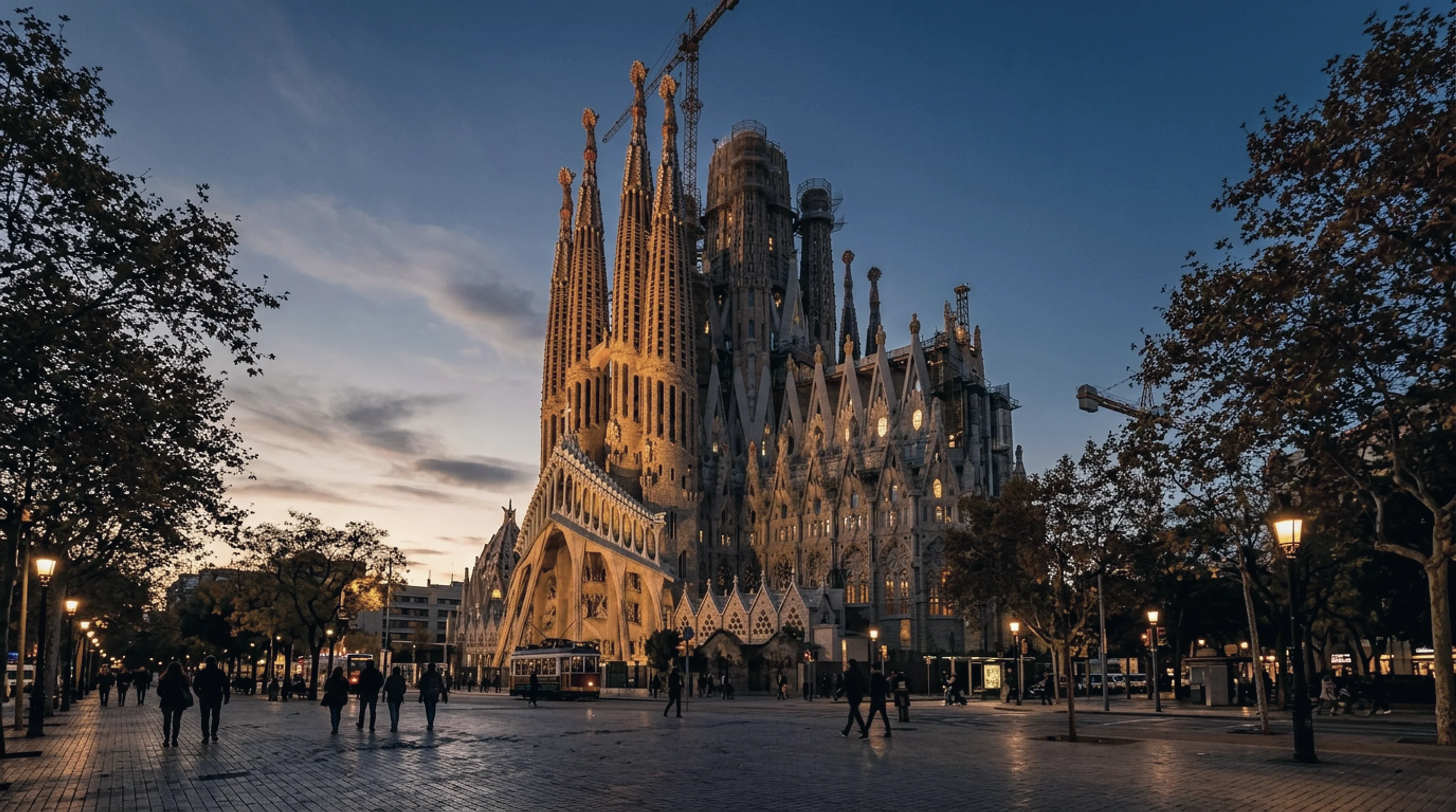
When comparing options, keep notes on what is included and what is left open. A clear plan should state the meeting point, the main activities, transport details and whether meals or entry arrangements are part of the booking. It should also say what happens if weather changes the plan. Barcelona can be warm, busy and unpredictable, so a route with outdoor stops needs a sensible alternative. If a plan depends on one perfect view or one exact departure time, ask how flexible it is. A reputable provider will be able to explain the practical side without making vague promises.
Points to review before you commit
- The route and timing. Check the start time, total length, transfer time and free time. A packed schedule can look generous on paper yet feel tight once traffic, queues and long lunches are added.
- Access and entry arrangements. For exclusive museum tours, fine dining or private tastings, confirm how entry is arranged and whether any timed reservations depend on you arriving punctually.
- Transport and meeting details. Look for a clear meeting point, a backup plan for delays and plain details about whether travel is on foot, by car or by another mode. Luxury vehicle upgrades should be described in concrete terms.
- Food and drink preferences. Menus may rely on seafood, alcohol, dairy or fixed tasting formats. If anyone has allergies, dietary needs or simply dislikes a certain style of food, check this before booking rather than on the day.
- Cancellation and change terms. Read the conditions closely. Good plans can change, and clear terms make it easier to understand what is refundable, what can be moved and what cannot.
Value is not the same as the lowest price or the longest itinerary. It comes from alignment. A day built around penthouse apartment visits and bespoke shopping experiences may suit someone interested in design and city life. A traveller drawn to the sea may prefer yacht harbour cruises paired with a quiet dinner. Someone looking for a striking overview may consider helicopter city tours, though weather and local operating conditions can affect the experience. In each case, the useful question is the same: does the plan give enough time and access to make the experience feel worthwhile?
This is also where the name privatetourinbarcelona.com may come up while you compare Barcelona options. Treat the name as a starting point, then judge any itinerary on its own details. Look for a plan that says what the day involves, where it begins, how long it lasts and which parts are private or shared. Clear wording is often a better sign than grand language. If a description leans heavily on adjectives but avoids practical facts, pause and ask for the specifics before committing.
Questions that reveal the real experience
A few direct questions can prevent most misunderstandings. Ask what the guide or host will cover, whether the route is fixed, and how much time is set aside at each stop. If the day includes dining, ask whether the menu is fixed or selected on the day. If it includes transport, ask whether waiting time is built in. If it includes a landmark or cultural venue, ask whether entry is arranged as part of the experience or handled separately. The answers should be specific enough to picture the day from morning to evening.
It is also sensible to check the tone of the experience. Some travellers enjoy a rich commentary filled with history and local detail. Others want a light touch, with space to browse, photograph or dine without constant explanation. Both styles can work, but they suit different people. Say what you prefer before the day rather than trying to steer the plan midway through. This applies to photography, shopping stops and informal breaks too. A plan that respects your pace will feel far more luxurious than one that simply includes expensive looking elements.
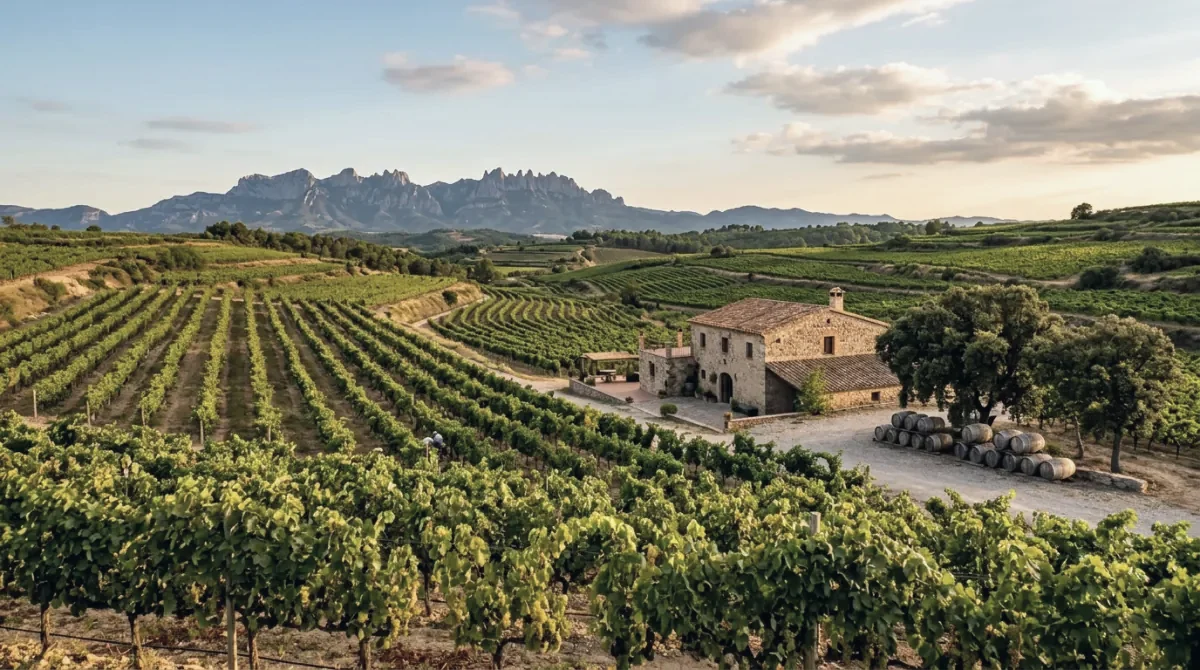
Season and weekday can change the experience significantly. Barcelona is lively for much of the year, but popular areas can be crowded, and some venues keep different hours on certain days. A Sunday, public holiday or major local event may affect traffic, restaurant availability and access to shops. If your dates are fixed, build the day around what is realistically open and reachable. If your dates are flexible, compare a few options before choosing. An early start may help with busy streets, while a later plan may suit a relaxed dinner. The best choice depends on the city rhythm during your stay.
Another point to review is how the booking handles uncertainty. Travel plans rarely stay perfectly still. Flights shift, meetings run late, weather changes and restaurants have quieter days or fully booked rooms. Before you pay, read the terms for changes, cancellations and missed arrivals. Check whether the provider asks for advance notice on dietary needs or mobility requirements. Check whether a substitute stop is offered if an outdoor segment becomes uncomfortable. None of these details are glamorous, but they shape how calm the day feels if something does not go exactly to plan.
Match the experience to the reason for the trip
Barcelona has many layers, and premium travel works best when it follows a clear theme. A first visit may call for a balanced route through architecture, food and city views. A return visit may be better served by a narrower focus, such as private wine tastings, design shops or a deeper look at a particular neighbourhood. A celebration may justify a stronger visual element, while a quiet break may call for fewer stops and more unscheduled time. Write down the main purpose of the day before comparing options. That simple note makes it easier to ignore extras that sound impressive but do not add much to your trip.
It helps to think in terms of contrast as well. A morning of art and walking may pair well with a slow lunch. A harbour segment may work better before dinner than in the middle of a shopping route. A formal meal may deserve a lighter afternoon beforehand. When a plan alternates between active and seated parts, the day tends to feel smoother. This is especially useful in a city where streets are busy and meal times can be later than visitors expect. The aim is not to fill every hour, but to give each part enough space.
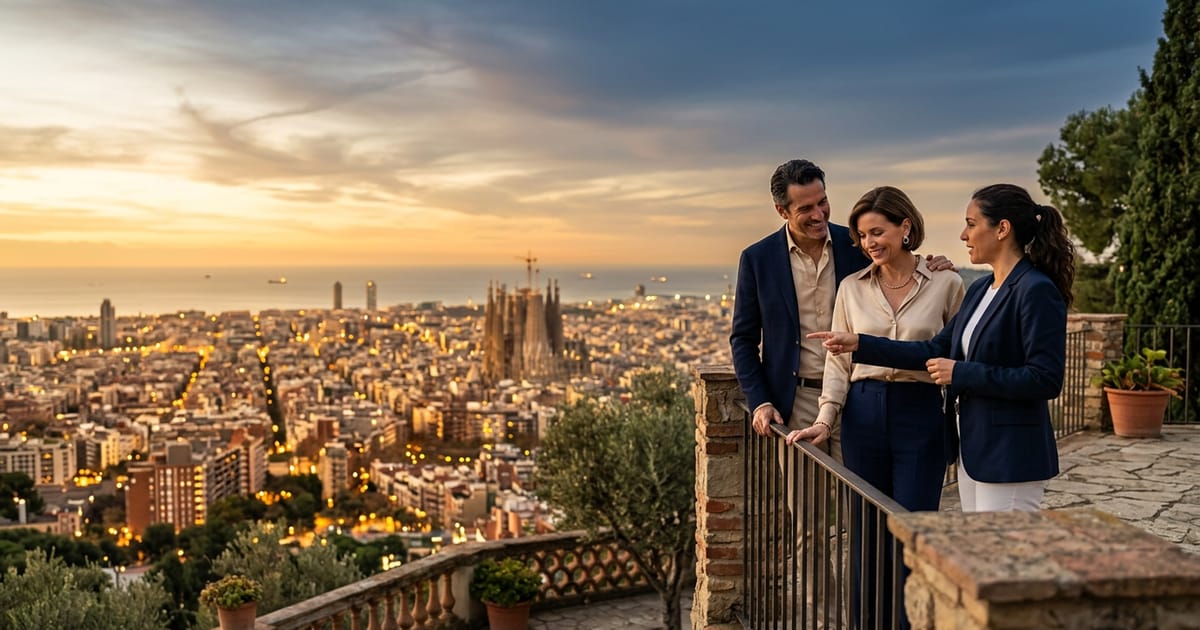
Before making the final choice, reread the description as if you were explaining it to a friend. Can you say clearly what the day includes, where it goes, how you get around, what you eat and what happens if plans change? If the answer is mostly vague, more research is needed. If the details are plain and consistent, the experience is easier to judge. Good barcelona luxury tours should feel considered before the booking is made, not only during the day itself.
Finally, keep one detail in mind: exclusivity should serve the experience, not replace it. A private setting, a refined vehicle or a special table is valuable when it gives you better access, more comfort or a clearer connection to the city. It is less useful when it crowds out the reason you wanted to visit. Choose the plan that fits your interests, respects your time and leaves room for Barcelona to make its own impression.